Ibrahim Mahal: A Glimpse into the Grandeur of India
Introduction
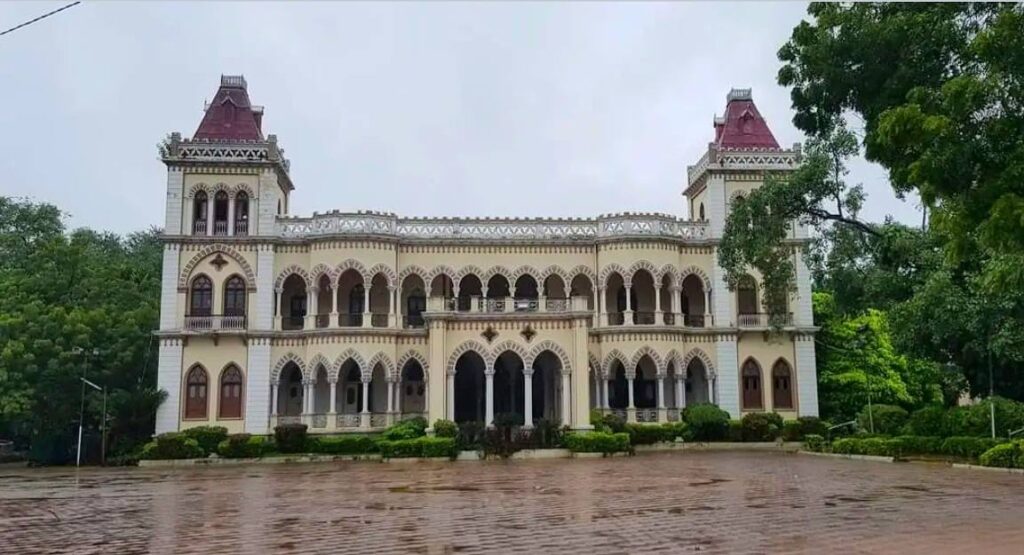
Ibrahim Mahal is one of India’s most captivating and historically significant architectural wonders. Located in the heart of India’s cultural landscape, this grand structure is a beacon of the country’s rich heritage. It offers visitors an extraordinary glimpse into its regal past. The Mahal stands as a testament to the exquisite craftsmanship and architectural innovation that defined an era of opulence. Whether you’re an enthusiast of history, architecture, or Indian culture, provides an enriching experience that is both educational and awe-inspiring.
The Historical Significance of Ibrahim Mahal
The history of Ibrahim Mahal is deeply connected to Ibrahim Adil Shah II, a prominent Sultan of the Bijapur Sultanate in the 16th century. This architectural gem was constructed during his reign. The Mahal reflects the wealth, power, and sophistication of the Sultanate. Ibrahim Adil Shah II was known for his patronage of arts and culture, and the Mahal is a reflection of his vision to create an enduring symbol of grandeur.
Originally built as a royal residence, Ibrahim Mahal also symbolized the Sultanate’s dominance in the region. The structure’s design showcases the blend of Persian, Turkish, and Indian architectural styles. This fusion makes a unique representation of Indo-Islamic architecture.
Architectural Features of Ibrahim Mahal
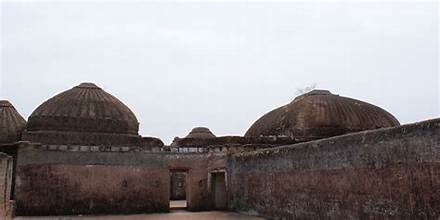
Ibrahim Mahal’s architecture is nothing short of breathtaking. It blends functional design and aesthetic grandeur, showcasing the brilliant architectural styles that flourished during the Adil Shahi dynasty. The Mahal is characterized by intricate carvings, majestic domes, and expansive courtyards. The arches and high ceilings enhance its beauty and demonstrate the engineering skills of the era.
The Mahal’s grand entrance is adorned with beautifully carved stone pillars and arched doorways. These lead to vast courtyards, where visitors can marvel at the well-preserved designs. The inner chambers and halls are equally impressive, with detailed murals and frescos that reveal the artistic tastes of the time.
The Mahal’s sprawling gardens, reflecting Persian influence, further add to its appeal. The serene water features, decorative fountains, and lush greenery create a tranquil atmosphere, taking visitors back to a time of royal leisure.
The Cultural and Artistic Impact of Ibrahim Mahal
Beyond its architectural significance, Ibrahim Mahal is a vital cultural symbol. The Mahal’s construction reflects the cultural fusion of the Bijapur Sultanate. Artists, craftsmen, and architects from various parts of the world worked together to bring Ibrahim Adil Shah II’s vision to life. This collaboration is evident in the ornate carvings, frescoes, and decorative elements that adorn the Mahal.
Ibrahim Mahal is an excellent example of the fusion between Islamic and Indian art forms. The intricate floral patterns, geometric designs, and calligraphy found throughout the Mahal highlight the cultural richness of the period. These artistic elements enhance the beauty of the Mahal and provide insight into the cultural climate, where trade, politics, and religion intertwined to create a unique aesthetic legacy.
Ibrahim Mahal: A Symbol of Political Power
As a royal residence, It was not merely a place of leisure. It also symbolized the political power held by the Sultan of Bijapur. The Mahal’s design reflects the grandeur and authority of the Adil Shahi dynasty. The imposing structure served as a reminder of the Sultan’s dominance over the region. During its prime, Ibrahim Mahal hosted royal gatherings, important state functions, and diplomatic events, making it an integral part of Bijapur’s political landscape.
Its strategic location provided rulers with a vantage point over the surrounding landscape, symbolizing their control. The scale and intricacy of the Mahal stood as a testament to the Sultan’s wealth, power, and influence.
Ibrahim Mahal in the Modern Era
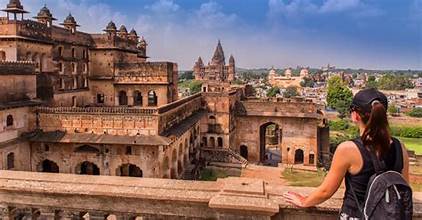
In modern times, continues to captivate visitors from all over the world. Its historical and architectural significance makes it a popular destination for tourists interested in learning about India’s royal past. The Mahal also reminds visitors of the legacy left behind by the Adil Shahi dynasty. Its well-preserved structure offers a window into a bygone era.
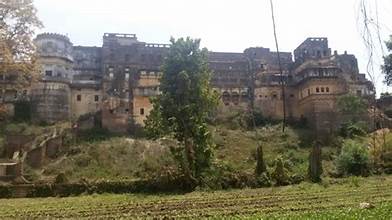
Despite the ravages of time, Ibrahim Mahal remains a striking example of India’s architectural brilliance. Preservation efforts have ensured that the Mahal continues to stand proudly, symbolizing the region’s rich history. Today, visitors can explore the Mahal’s many rooms, gardens, and courtyards, experiencing the elegance and beauty of this magnificent structure.
Cultural Events and Tourism Around Ibrahim Mahal
Ibrahim Mahal is not only a historical site but also an important cultural venue. Several local festivals and events are held around the Mahal, adding to its cultural importance. These events provide tourists and locals alike with a chance to engage with the region’s traditions and heritage. The grand architecture and serene surroundings create an ideal setting for cultural performances, music festivals, and traditional dance showcases.
It is located in Bijapur, a city known for its rich historical landmarks. Visitors can explore other significant sites such as Gol Gumbaz, the Bijapur Fort, and the Jami Masjid. Each of these attractions offers additional insights into the region’s storied past.
Preservation and Conservation of Ibrahim Mahal
Efforts to preserve Ibrahim Mahal have been ongoing for many years. These initiatives aim to protect the Mahal’s architectural integrity while ensuring future generations can appreciate its historical significance. The local government and heritage organizations work together to maintain the site, ensuring it remains in its original form for years to come.
Conclusion
Ibrahim Mahal stands as a magnificent symbol of India’s royal past. It offers visitors a glimpse into a time of grandeur and elegance. Its unique blend of architectural styles, rich history, and cultural significance make it a must-visit destination for anyone interested in India’s heritage. As preservation efforts continue, Ibrahim Mahal will remain a shining example of the country’s rich architectural and cultural legacy.