Heritage Hotel Association of Rajasthan – Preserving Royalty, Promoting Hospitality
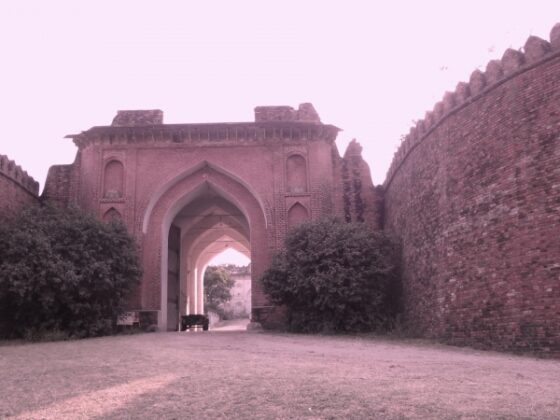
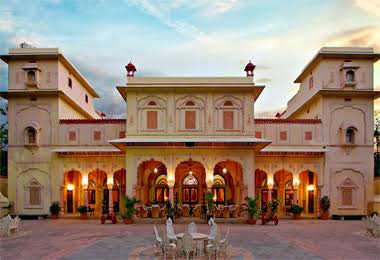
Rajasthan, the land of maharajas, grand forts, and resplendent palaces, is home to some of India’s most remarkable heritage hotels. These properties are not just places to stay; they are living chapters of history where the past meets the present. At the heart of this movement lies the Heritage Hotel Association of Rajasthan (HHAR)—an organization dedicated to conserving royal legacies while redefining luxury tourism.
Origins and Purpose
The association was founded with a clear vision: to protect Rajasthan’s architectural treasures—palaces, havelis, forts, and hunting lodges that once belonged to princely families. As times changed, many of these magnificent structures needed sustainable use to survive. By transforming them into heritage hotels, the association preserved their grandeur while creating immersive cultural experiences for travelers from all over the world.
HHAR focuses on:
- Conserving historic properties.
- Standardizing services without compromising authenticity.
- Promoting Rajasthan’s unique cultural identity.
- Representing member hotels at national and international tourism platforms.
Rajasthan’s Heritage Hospitality
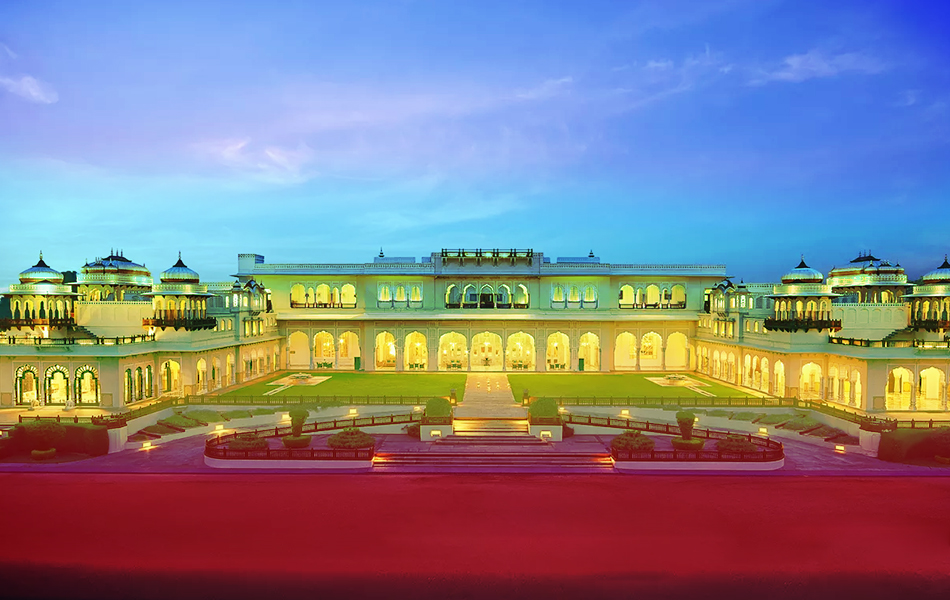
From the shimmering Lake Palace of Udaipur to the towering forts of Jodhpur and the hidden gems of Shekhawati, HHAR represents a diverse range of heritage hotels. These establishments offer more than luxury—they tell stories. Guests dine in royal courtyards, enjoy traditional performances, and meet custodians who often belong to erstwhile royal families.
Contribution to Tourism and Economy
Heritage hotels play a vital role in Rajasthan’s tourism industry. By promoting responsible tourism, HHAR helps:
- Generate employment in local communities.
- Revive traditional crafts like fresco painting, stone carving, and textiles.
- Attract cultural tourists who seek authenticity rather than generic luxury.
Global Recognition
Thanks to HHAR’s consistent efforts, Rajasthan has become one of the world’s most celebrated heritage destinations. The association actively participates in global travel fairs, collaborates with tourism boards, and ensures that the voice of Rajasthan’s heritage hotels is heard on international platforms.
Looking Ahead
Modern travelers now seek experiences over basic amenities. In response, HHAR continues to innovate by integrating sustainability, promoting rural tourism, and encouraging heritage walks and cultural exchanges. Its mission remains steadfast: to safeguard Rajasthan’s palaces and havelis while transforming them into vibrant centers of hospitality.
Conclusion
The Heritage Hotel Association of Rajasthan is more than just about hotels—it is about keeping history alive. Through its efforts, travelers carry back more than memories; they take a piece of Rajasthan’s timeless soul. The association ensures that every guest experiences not only luxury but also the heritage, culture, and stories that make this desert state truly extraordinary.